
Malaysia Extends E-Invoice Grace Period for Businesses Earning RM1–5 Million

Malaysia’s e-Invoice implementation has been one of the most talked-about compliance changes for businesses in recent years. In a recent update, the government announced e invoicing grace period extended, gives Malaysian SMEs earning RM1–5 million additional time to prepare for mandatory e-Invoice compliance.
While this extension provides short-term relief, businesses should view it as a preparation window, not a reason to delay action. In this article, we explain what the grace period means, identify who is affected, and outline how SMEs can prepare strategically for e-Invoice compliance.
Latest Update on Malaysia’s E-Invoice Implementation Timeline (2026 Update)

The Malaysian government, through Lembaga Hasil Dalam Negeri Malaysia, has confirmed an extension of the e-Invoice implementation grace period for certain SMEs.
Previously, businesses with annual revenue between RM1 million and RM5 million were expected to begin mandatory e-Invoice implementation earlier. However, under the new update, the government now allows these businesses additional time before penalties apply, thereby enabling a smoother and more realistic transition.
The government made this decision to:
-
Reduce operational pressure on SMEs
-
Allow more time for system readiness
-
Address concerns around cost, training, and system integration
Important note:
The extension does not cancel e-Invoice requirements; it only delays enforcement.
Which Businesses Are Affected by the RM1–5 million E-Invoice Grace Period?
Understanding where your business falls is crucial to avoid confusion and misinformation.
Businesses with Annual Revenue Between RM1M and RM5M
-
Eligible for the extended grace period
-
No penalties imposed during the transition phase
-
Strongly encouraged to begin system preparation early
Companies Earning Below RM1 Million
-
Currently exempted from mandatory e-Invoice implementation
-
Still advised to monitor future regulatory updates
Enterprises with Revenue Above RM5 Million
-
Already subject to mandatory e-Invoice implementation
-
Compliance is not optional
This tiered approach ensures larger businesses lead adoption, while giving SMEs time to adapt.
What Does the Grace Period Mean for SMEs?
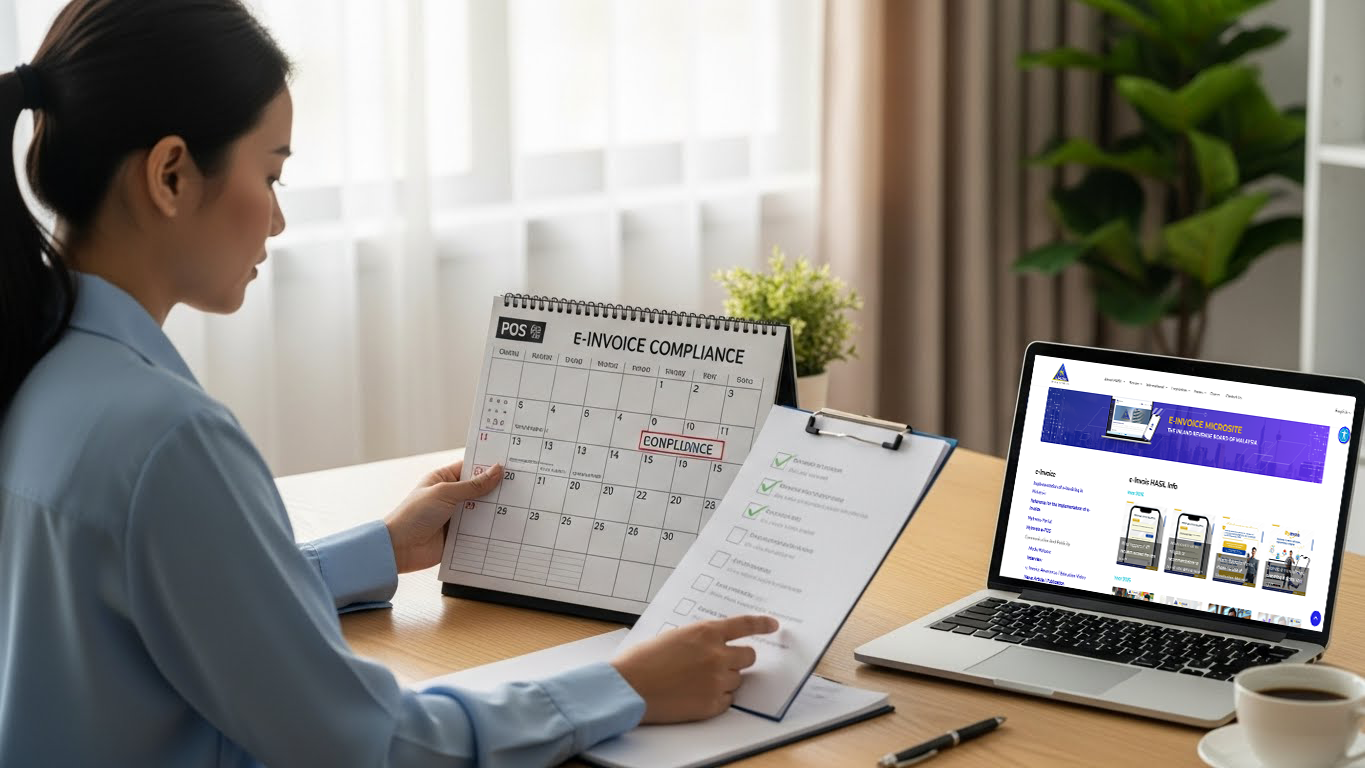
Businesses that are new to compliance can first understand what e-Invoice means in Malaysia and how it affects SMEs, before deciding on system upgrades. One of the biggest misconceptions among SMEs is assuming that a grace period means they can ignore e-Invoice requirements for now. In reality, the grace period serves a very specific purpose. During the extended e invoicing grace period, businesses should review their systems, train staff, and prepare for future enforcement.
During the grace period, businesses should take the following steps:
-
Evaluate e-Invoice-ready systems
-
Upgrade POS and accounting workflows
-
Train staff on new processes
-
Test integration and data accuracy
What the grace period does not mean:
-
❌ No preparation needed
-
❌ Systems can be set up at the last minute
-
❌ Compliance can be ignored without consequences
Businesses that delay preparation often face:
-
Higher implementation costs
-
Operational disruption
-
Staff resistance due to rushed changes
Why SMEs Should Still Prepare Early for E-Invoice Compliance
Even with an extended timeline, early preparation gives businesses a clear advantage.
Avoid Last-Minute System Migration
Switching POS or invoicing systems under time pressure increases the risk of:
-
Data loss
-
Incorrect tax records
-
Downtime during business hours
Early adoption allows proper testing and phased onboarding.
Ensure POS & Accounting Integration
For retail and high-transaction businesses, e-Invoice is not a standalone task. It must integrate seamlessly with:
-
Sales transactions
-
Inventory records
-
Accounting and tax reporting
A disconnected system creates manual work and compliance risks.
Stay Ready for Policy Changes
Government policies can evolve. Businesses that prepare early are protected if:
-
Deadlines are tightened
-
Reporting requirements change
-
Additional compliance features are introduced
How IRS ALAYA Cloud POS Supports E-Invoice Readiness
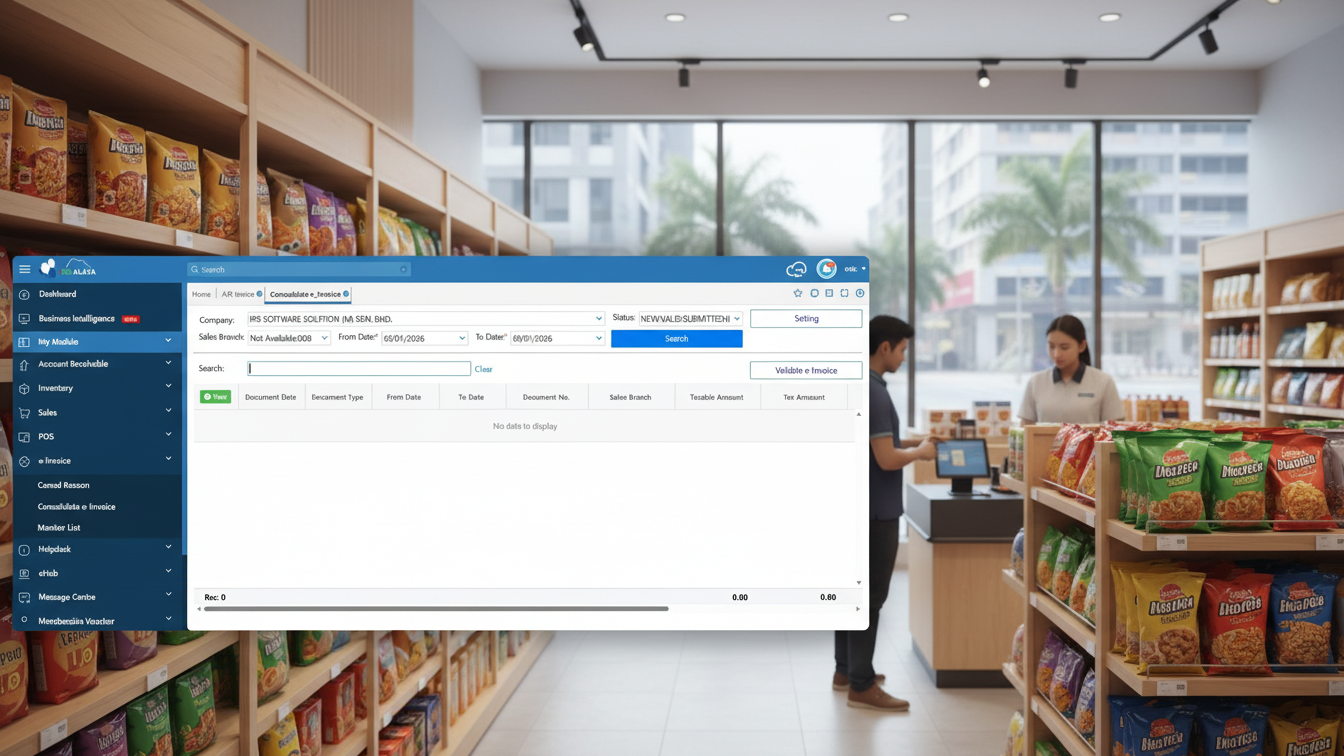
Preparing for e-Invoice compliance does not have to be complex — with the right system in place.
IRS ALAYA Cloud POS is designed to support SMEs and retail businesses as regulations evolve. Its cloud-based architecture ensures:
-
E-Invoice-ready system structure
-
Centralised sales and transaction records
-
Easier future integration with tax and accounting requirements
-
Scalability as your business grows
By adopting an e-Invoice-ready POS system early, businesses can transition smoothly when full enforcement begins — without disrupting daily operations.
Frequently Asked Questions (FAQ)

Is e-Invoice mandatory during the grace period?
During the grace period, authorities do not impose penalties on eligible businesses. However, businesses must still comply with e-Invoice requirements in the long term and should prepare early.
Will the government extend the e-Invoice deadline again?
There is no official confirmation of further extensions. Businesses should not rely on assumptions and should use this period wisely.
Do retail businesses need POS-integrated e-Invoice systems?
Yes. Retail businesses typically handle high transaction volumes, making POS-integrated e-Invoice systems essential for accuracy, efficiency, and compliance.
Final Thoughts: Grace Period Is a Preparation Window, Not a Delay Strategy
The government’s decision to extend Malaysia’s e-Invoice grace period for businesses earning RM1–5 million offers welcome relief, but businesses should not misunderstand its purpose.
E-Invoice implementation is inevitable. Businesses that:
-
Prepare early
-
Choose scalable, compliant systems
-
Align POS, invoicing, and accounting workflows
As a result, businesses that prepare early will face less disruption, lower costs, and smoother compliance when enforcement begins.
Use this grace period strategically — not reactively.
BACK TO BLOG PAGE