
E-Invoice “Last Phase Cancelled”?

Malaysia’s e-invoice implementation has raised many questions, especially after discussions around the so-called “last phase cancellation.” Many small and medium-sized businesses are now wondering whether e-invoice requirements no longer apply to them.
The reality is more nuanced. While authorities may grant certain small businesses temporary exemptions or extended timelines, e-invoice remains in force in Malaysia. Instead, regulators have adjusted the implementation approach to reduce immediate compliance pressure while encouraging businesses to prepare digitally.
Understanding what this change really means is important. Misinterpreting the update could lead to delayed preparation, operational disruption, or missed opportunities when dealing with larger clients who already require e-invoicing.
This article explains what the “last phase cancelled” discussion means, identifies who remains affected, and shows Malaysian businesses how to prepare in a practical, low-stress way.
What Does “Last Phase Cancelled” Actually Refer To?

The term “last phase” generally describes businesses that authorities originally scheduled to implement e-invoice at the final stage of Malaysia’s rollout plan, typically smaller enterprises below certain annual revenue thresholds.
Recent clarifications show that authorities may temporarily exempt some of these businesses or grant them extended timelines instead of requiring immediate compliance. This adjustment reduces operational strain on micro and small businesses that have not yet fully digitized their operations.
However, it is important to note that this change does not remove e-invoice from the system altogether. The framework remains in place, and future requirements may still apply as businesses grow or regulations evolve.
In short:
Last phase “cancelled” means deferred or exempted for now, not permanently excluded.
Who Does E-Invoice Still Affect Even If You’re Exempted?

Even when regulators exempt businesses from mandatory e-invoice implementation, those businesses may still feel its impact in practical ways. Exemption only applies to regulatory obligation, not to commercial expectations.
Many businesses work with customers, suppliers, or partners who already must issue and receive e-invoices. As a result, these requirements can indirectly influence how businesses manage transactions, payments, and records.
Understanding these indirect impacts helps businesses avoid surprises and maintain smoother operations.
B2B Transactions and Corporate Customers
Businesses involved in B2B transactions may still encounter e-invoice requirements from their customers. Large corporations and enterprises that are already under mandatory compliance often prefer — or require — suppliers to issue e-invoices for consistency and audit purposes.
Without the ability to issue e-invoices, suppliers may experience slower approval processes or delayed payments. Being e-invoice ready helps maintain professionalism and strengthens long-term business relationships.
Business Growth and Future Compliance
Many SMEs grow faster than expected. Expansion through new outlets, increased sales volume, or new corporate contracts can quickly change a business’s compliance status.
Preparing systems early allows businesses to scale without scrambling to meet new requirements. Early preparation also spreads costs and effort over time, reducing the risk of rushed decisions later.
Why Many SMEs Are Still Preparing Early?

Despite exemptions, many SMEs are choosing to prepare for e-invoice voluntarily. Beyond compliance, digital invoicing improves internal processes by reducing manual data entry, minimising errors, and improving record accuracy.
Early preparation also provides flexibility. Businesses can activate e-invoice features when needed rather than changing systems under pressure. This approach supports long-term operational efficiency and smoother client interactions.
How to Prepare for E-Invoice Without Rushing
Preparing for e-invoice does not require immediate full implementation. Instead, businesses can focus on building the right foundation.
This includes using systems that support e-invoice standards, capturing accurate customer data, and integrating sales systems with accounting software. By preparing gradually, businesses reduce future disruption while maintaining daily operational stability.

Why Cloud-Based POS Systems Make Preparation Easier?
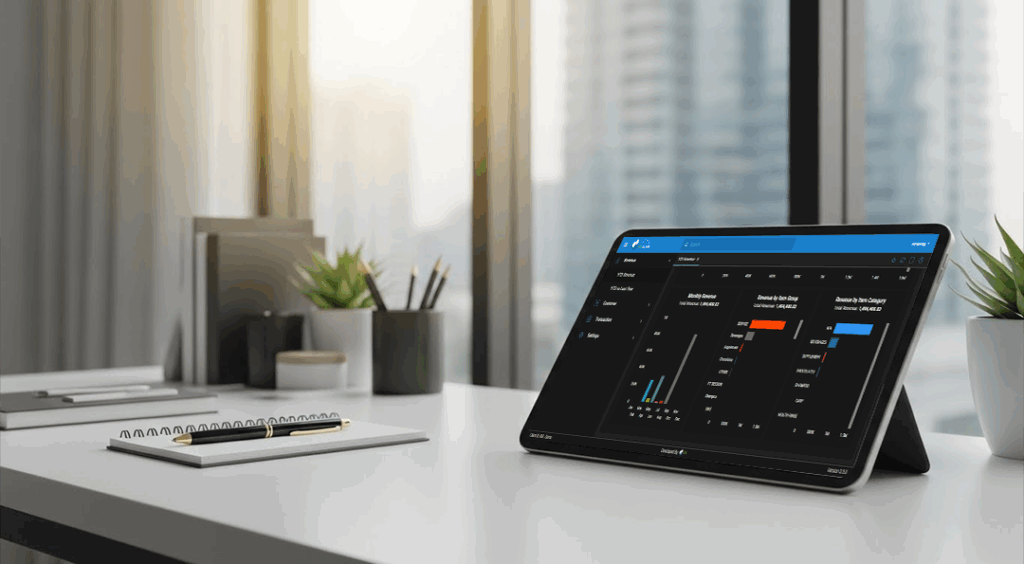
Cloud-based POS systems adapt quickly to regulatory and operational changes. Unlike traditional systems that rely on manual updates, cloud systems update automatically and store data securely online.
For e-invoice preparation, cloud POS systems allow businesses to structure transaction data properly, integrate with accounting software, and activate compliance features when required. This flexibility makes them a practical choice for SMEs preparing at their own pace.
Common Misconceptions About E-Invoice Exemptions
Some businesses assume that the exemption allows them to ignore e-invoices indefinitely. In reality, exemptions may change as policies evolve, and commercial requirements can still apply regardless of regulatory status.
Another misconception is that only large corporations benefit from e-invoice. Many SMEs experience improved efficiency and better financial control after adopting digital invoicing practices.
Final Thoughts — More Time Is an Advantage, Not an Excuse

The discussion around the “last phase cancellation” provides businesses with more breathing room, not a reason to delay indefinitely. Taking advantage of this time allows businesses to prepare calmly, choose suitable systems, and avoid rushed compliance later.
Preparation today leads to smoother transitions tomorrow — especially in a business environment that continues to move toward digital standardisation.
BACK TO BLOG PAGE